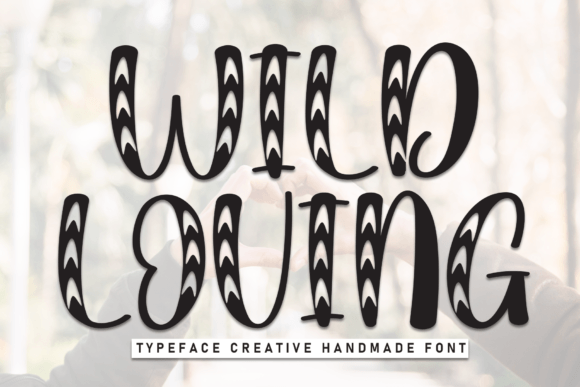
Wild Loving Font for Modern Web Design
Wild Loving is a distinctive Display typeface that brings immediate personality to digital interfaces, while professional Fonts of this caliber are essential for establishing a memorable online presence. As web designers and UI creators, we constantly search for typography that bridges the gap between aesthetic appeal and functional clarity. This handwritten display font exudes joviality and warmth, making it an ideal candidate for projects that require a human touch without sacrificing modern design standards. Its adorable and playful aesthetic allows it to stand out in crowded digital spaces, particularly when used strategically in hero sections, landing page headers, and brand-focused web experiences.
Using Wild Loving for Heartwarming Wedding Websites
When crafting Wild Loving into the design of a wedding website, the font’s inherent charm becomes a powerful tool for emotional connection, much like how specialized Display Fonts are curated for niche markets. The whimsical nature of this typeface perfectly mirrors the joy and intimacy of nuptial celebrations. For UI designers building single-page wedding invitations or multi-section event sites, this font serves as an excellent choice for couple names, date headers, and section dividers. The handwritten style suggests personalization and care, which are critical elements in wedding branding. However, readability remains paramount. When using this font for digital invitations, ensure that the font size is large enough to be legible on mobile devices, where most guests will view the content. Pairing it with a clean, neutral sans serif for the logistical details—such as RSVP buttons, map locations, and schedule times—creates a balanced visual hierarchy that guides the user’s eye without overwhelming them.
Enhancing Brand Tone in Boutique Online Stores
Integrating Wild Loving into e-commerce layouts leverages its playful aesthetic to soften the commercial edge, a technique often seen when selecting premium Display Fonts for lifestyle brands. For online store owners selling handmade goods, organic products, or children’s items, this font can significantly influence brand perception. It works exceptionally well in banner images, promotional pop-ups, and product category headers. The warmth exuded by the font helps build trust and approachability, encouraging users to linger longer on the site. In conversion-focused layouts, use Wild Loving sparingly for call-to-action phrases like "Shop the Collection" or "New Arrivals" to draw attention without causing visual fatigue. It is crucial to maintain consistent spacing and line height to ensure the text remains readable against various background colors. By anchoring the brand identity with this unique typeface, boutique owners can differentiate their digital storefronts from competitors using generic corporate typography.
Optimizing Visual Hierarchy in Landing Page Design
Strategic placement of Wild Loving in landing page structures enhances visual scanning patterns, demonstrating why versatile Display Fonts are vital for high-converting pages. In digital marketing, the first three seconds of a user’s visit are critical. A handwritten display font with such jovial character can instantly communicate the brand’s voice, whether it is friendly, creative, or luxurious. Use this font for the main headline or subheadline to capture attention immediately. However, avoid using it for long paragraphs or body copy, as the intricate strokes of handwritten styles can reduce reading speed and cause eye strain. Instead, pair Wild Loving with a highly legible sans serif font for the primary content areas. This contrast creates a clear distinction between decorative elements and informational text, improving the overall user experience. For SaaS founders and course creators, this approach helps highlight key value propositions while keeping the detailed explanations easy to digest.
Pairing Wild Loving with Sans Serif and Serif Typefaces
Effective font pairing with Wild Loving requires balancing its decorative nature with structural stability, a common challenge when working with expressive Display Fonts. Since Wild Loving is a handwritten style, it pairs beautifully with simple, geometric sans serif fonts that offer clarity and modernity. This combination is ideal for app screens, dashboard interfaces, and minimalist portfolio sites. Alternatively, pairing it with a classic serif font can create an editorial look, suitable for blogs, magazines, and sophisticated brand narratives. The key is to ensure that the secondary font does not compete for attention but rather supports the primary message. When testing these combinations, check the x-height and weight contrast to ensure harmony across different screen sizes. For dark mode interfaces, consider using a slightly heavier weight of the pairing font to maintain visibility, while keeping Wild Loving bright and prominent to preserve its whimsical charm.
Ensuring Readability Across Mobile and Responsive Layouts
Adapting Wild Loving for responsive design ensures consistent brand identity, a necessity when deploying stylish Display Fonts across diverse devices. Mobile users account for a significant portion of web traffic, and handwritten fonts can sometimes lose detail or become illegible at smaller sizes. To mitigate this, increase the font size and letter spacing for mobile views specifically. Avoid placing Wild Loving over busy images or complex gradients, as this can reduce contrast and hinder accessibility. Instead, use solid color backgrounds or subtle overlays to make the text pop. For buttons and navigation menus, consider using a simpler alternative if the screen real estate is limited, reserving Wild Loving for larger headers and hero sections. Testing the font on various devices and browsers is essential to ensure that the webfont loads correctly and maintains its intended aesthetic. This attention to detail reflects professionalism and enhances the overall usability of the digital product.
Licensing and Implementation for Digital Product Creators
Understanding the licensing terms for Wild Loving is crucial for compliant usage, especially when integrating proprietary Display Fonts into client projects. For web designers and digital product creators, it is important to verify whether the font license covers web embedding, app usage, and commercial templates. Most premium fonts require specific licenses for different mediums, so always check the included file formats, such as WOFF, WOFF2, and TTF, to ensure compatibility with your development stack. If you are creating digital assets for resale, such as website themes or social media templates, ensure that your license permits redistribution or end-user usage. By adhering to proper licensing agreements, you protect your business and respect the intellectual property of the type designer. This professional approach not only avoids legal issues but also supports the continued creation of high-quality design assets for the creative community.